
Septic vs Sewer: Understanding Your Dayton Home’s System If you are buying a home in Dayton, Ohio, or simply want to understand how your wastewater system works, knowing the difference between septic vs sewer in Dayton is essential. About one in five American homes relies on a septic system rather than a municipal sewer connection, and many properties in the Dayton area, particularly those in rural and suburban neighborhoods, use private septic systems. Septek Services helps Dayton homeowners understand, maintain, and repair their septic systems. This guide explains how both systems work, what each one costs to maintain, and what every homeowner should know about their home sewage system. How Municipal Sewer Systems Work Most homes within the Dayton city limits connect to the municipal sewer system operated by the city or county. Understanding this system helps you appreciate the differences when comparing it to septic. The Basics of Sewer Service When you flush a toilet or run a sink in a sewer-connected home, wastewater travels through pipes from your house to the city’s main sewer line running under the street. From there, it flows to a wastewater treatment plant where it is processed, cleaned, and discharged safely. You pay a monthly sewer fee on your water bill for this service. The city is responsible for maintaining the main sewer lines, while you are responsible for the lateral line from your house to the main. Advantages of Sewer Connection Sewer-connected homes require less owner involvement. There is no tank to pump, no drain field to protect, and maintenance of the main system is handled by the municipality. Sewer systems can handle higher water volumes without issue, which is beneficial for larger households. Property sales are also simpler because there is no septic inspection requirement. How Septic Systems Work A septic system is a private, on-site wastewater treatment system. Homes outside the reach of municipal sewer lines, including many properties in the greater Dayton area, rely on septic systems to process their household waste. The Septic Tank All wastewater from your home flows into a buried septic tank, typically made of concrete, fiberglass, or polyethylene. Inside the tank, solid waste settles to the bottom as sludge, oils and grease float to the top as scum, and the relatively clear liquid in the middle, called effluent, flows out to the drain field. Naturally occurring bacteria in the tank break down the solid waste over time, but solids do accumulate and must be pumped out periodically. The Drain Field Effluent from the septic tank flows through perforated pipes buried in gravel trenches in your yard, known as the drain field or leach field. The soil naturally filters and treats the effluent as it percolates downward, removing harmful bacteria and nutrients before the water reaches the groundwater table. A healthy drain field is critical to the entire system’s function. Septic System Basics Every Owner Should Know The average septic tank holds 1,000 to 1,500 gallons Tanks should be pumped every 3 to 5 years depending on household size The drain field needs open space with no vehicles, structures, or deep-rooted plants above it Only toilet paper and human waste should be flushed Harsh chemicals and antibacterial cleaners can kill the beneficial bacteria in your tank Maintenance Requirements: Septic vs. Sewer The biggest practical difference between septic and sewer systems is the level of homeowner responsibility for maintenance. Sewer Maintenance Sewer-connected homes primarily need to maintain the lateral line, which is the pipe running from the house to the main sewer line. Root intrusion, bellied pipes, and aging materials can cause backups. An annual or biannual drain line inspection is good preventive maintenance. Beyond that, the city handles the rest. Septic Maintenance Septic system owners bear full responsibility for their system’s upkeep. This includes regular pumping every 3 to 5 years, annual inspections, monitoring water usage to avoid overloading the system, being careful about what goes down the drain, and protecting the drain field from damage. Neglected septic systems fail, and replacement costs can exceed $15,000 to $30,000. Cost Comparison Sewer users pay a monthly fee, typically $30 to $80 per month in the Dayton area, but have minimal out-of-pocket maintenance costs. Septic system owners avoid the monthly sewer bill but need to budget $300 to $500 every 3 to 5 years for pumping, plus the cost of any repairs. Over a 20-year period, total costs are often comparable, though a major septic repair can create a significant unexpected expense. The U.S. Environmental Protection Agency provides detailed guidance on how septic systems work and best practices for maintenance that every septic homeowner should review. What to Know When Buying a Home With Septic If you are considering purchasing a home with a septic system in the Dayton area, there are several important steps to protect your investment. Septic Inspection Before Purchase Always request a full septic inspection before closing on a home with a septic system. This is separate from the standard home inspection. A septic inspection includes locating and opening the tank, measuring sludge and scum levels, inspecting the tank condition, testing the drain field, and checking for signs of system failure. Many lenders require this inspection, and it is worth the $300 to $500 cost even if it is not required. Questions to Ask the Seller Ask for the location of the septic tank and drain field, the date of the last pumping, records of any repairs or inspections, the age and size of the system, and whether there have been any backups or issues. Well-maintained systems with documented service history are far less risky than systems with no records. Red Flags to Watch For Wet or soggy areas in the yard near the drain field, strong sewage odors outside, lush green patches of grass over the drain field (which can indicate surfacing effluent), and slow drains throughout the house are all warning signs of a septic system that may be failing. Walk away or negotiate heavily if the inspection reveals these
New Septic System Installation: What Dayton Homeowners Should Know
New Septic System Installation: What Dayton Homeowners Should Know Whether you are building a new home, replacing a failed system, or converting from a sewer connection, understanding the septic installation process in Dayton, Ohio is essential. A new septic system is a major investment, and the decisions you make during planning and installation affect your property for decades. This comprehensive guide walks you through everything from soil testing and permits to system types, costs, and timeline so you know exactly what to expect. When Do You Need a New Septic System? There are several situations where a new septic system installation becomes necessary: New construction: Homes built in areas without municipal sewer access need a septic system from the start System failure: When your existing system has failed beyond repair, particularly if the drain field is no longer functional Home addition: Expanding your home or adding bedrooms may require upgrading to a larger system to handle increased wastewater Code violations: Older systems that do not meet current Montgomery County health codes may need to be replaced Property sale: Some real estate transactions require a septic inspection, and a failing system may need replacement before the sale can proceed Soil Testing: The First Step Before any septic system can be designed or installed in Dayton, a soil test (also called a percolation test or perc test) must be performed. This test determines how quickly water absorbs into the soil on your property, which directly affects the type and size of drain field your system requires. What Happens During a Soil Test A licensed soil scientist or the county health department digs test holes at the proposed drain field location and evaluates the soil composition, structure, and drainage rate. In the Dayton area, soil types vary significantly. Some properties have well-draining sandy soils, while others have clay-heavy soils that drain slowly. The results of the soil test determine: Whether a conventional or alternative system is needed The required size of the drain field The minimum depth of the absorption area Whether the site is suitable for a septic system at all If the soil does not pass a standard percolation test, alternative system designs like mound systems or aerobic treatment units may be required. These systems work in challenging soil conditions but typically cost more to install and maintain. Permits and Regulations in Montgomery County Septic system installations in the Dayton area are regulated by the Montgomery County Public Health department. A septic permit is required before any work begins, and the process includes plan review, inspections during installation, and a final approval. Steps to Obtain a Permit Submit a site plan showing the proposed location of the tank, drain field, and all setbacks from wells, property lines, and structures Provide soil test results from a licensed professional System design review by the county to ensure compliance with Ohio EPA standards Pay permit fees as required by the county Schedule inspections at key stages of installation Working with an experienced installer who handles the permitting process is strongly recommended. The U.S. Environmental Protection Agency provides additional resources on septic system regulations and best practices. Types of Septic Systems for Dayton Properties The type of system that works best for your property depends on soil conditions, lot size, and local regulations. Conventional Gravity System The most common and typically least expensive option. Wastewater flows by gravity from the tank to the drain field. This system works well on properties with adequate soil drainage and sufficient space for the drain field. Pressure Distribution System Uses a pump to distribute effluent evenly across the drain field. This system is used when the drain field is located at a higher elevation than the tank or when more even distribution is needed for marginal soil conditions. Mound System When the natural soil does not drain well enough for a conventional system, a mound system creates an elevated drain field using imported sand and gravel. The mound sits above the natural grade and provides the filtration that the existing soil cannot. Mound systems are more visible on the property and cost more to build, but they work effectively in challenging conditions. Aerobic Treatment Unit (ATU) ATUs use oxygen to break down waste more thoroughly than conventional tanks, producing cleaner effluent. These systems are used on smaller lots or in environmentally sensitive areas where the drain field must be smaller. ATUs require ongoing maintenance, including regular inspections and occasional component replacement. Installation Timeline and What to Expect A typical new septic system installation in the Dayton area follows this general timeline: Soil testing and design (2-4 weeks): Scheduling the perc test, receiving results, and completing the system design Permitting (1-3 weeks): Submitting plans, paying fees, and receiving approval from the county Excavation and installation (3-5 days): Digging the tank hole, laying pipe, building the drain field, and connecting everything to the home Final inspection and backfill (1-2 days): County inspector verifies compliance, then the site is backfilled and graded Total time from start to finish is typically six to ten weeks, depending on weather, permitting timelines, and site complexity. Ohio’s winter ground conditions can delay excavation, so planning your installation for spring through fall is ideal. Cost Factors for Septic Installation in Dayton The cost of a new septic system varies based on several factors: System type: Conventional systems are the most affordable; mound systems and ATUs cost significantly more Tank size: Larger homes require larger tanks, which increases material and labor costs Soil conditions: Rocky or clay-heavy soil requires more excavation work Site accessibility: Difficult-to-reach locations increase equipment and labor costs Permits and testing: Soil tests, permit fees, and inspection costs are part of the total project cost Getting multiple quotes from licensed installers in the Dayton area is recommended. Ensure each quote includes all costs: septic services, excavation, materials, permits, and any necessary landscaping restoration. Frequently Asked Questions How long does a new septic system last? A properly installed and maintained septic system can last 25
Signs Your Septic System Needs Repair in Dayton
Signs Your Septic System Needs Repair in Dayton A failing septic system is one of the most stressful and expensive problems a Dayton, Ohio homeowner can face. But septic failure rarely happens overnight. There are almost always warning signs that something is wrong before the situation becomes critical. Knowing the signs of septic repair needs in Dayton allows you to catch problems early, save money, and avoid the health hazards that come with a malfunctioning system. This guide covers the most common septic problems, what they mean, and what repair options are available. Warning Signs of Septic System Problems Your septic system communicates when it is struggling. Learning to recognize the septic failure signs below can save you from a full system replacement that costs tens of thousands of dollars. Slow Drains Throughout the Home A slow drain in one fixture is usually a localized clog. But when multiple drains in your home, including sinks, showers, and toilets, are all draining slowly at the same time, the problem is likely in your septic system rather than your household plumbing. A full tank, clogged outlet baffle, or failing drain field can all cause this symptom. Foul Odors Indoors or Outdoors Sewage odors coming from your drains, near your septic tank, or in the area of your drain field are a strong indicator that your system is not processing waste properly. This can mean the tank is full, a pipe is damaged, or the drain field is saturated and unable to absorb effluent. Do not ignore these odors, even if they are intermittent. They often indicate a developing problem that will worsen without intervention. Wet or Soggy Spots in the Yard If you notice standing water or persistently soggy ground near your septic tank or drain field when it has not rained, your system is likely overflowing or leaking. This is a serious issue because raw or partially treated sewage is reaching the surface, posing health risks to your family and neighbors. Sewage Backup Into the Home The most obvious and urgent sign of septic failure is sewage backing up through toilets, floor drains, or showers. If this happens, stop using all water in your home immediately and call for emergency service. Sewage contains harmful bacteria and pathogens that require professional cleanup. Unusually Green or Lush Grass Over the Drain Field Grass that is noticeably greener, thicker, or growing faster over your drain field compared to the rest of your lawn suggests that sewage effluent is surfacing or leaking into the topsoil. While the extra nutrients make the grass look healthy, it means your drain field is not functioning correctly. Gurgling Sounds in Plumbing Gurgling or bubbling sounds from toilets, sinks, or drains when you flush or run water can indicate that the septic tank is full or there is a blockage between your home and the tank. These sounds happen when air is trapped in the system due to restricted flow. Common Causes of Septic System Failure in Dayton Understanding what causes septic problems helps you prevent them and choose the right repair approach. Lack of Regular Pumping Skipping scheduled septic pumping is the number one cause of system failure. When solids build up beyond the tank’s capacity, they flow into the drain field and clog the distribution pipes and soil. Hydraulic Overload Sending too much water into the system at once overwhelms the tank’s ability to separate solids from liquids. Running multiple water-heavy appliances simultaneously or having leaky fixtures contributes to this problem. Tree Root Intrusion Tree roots naturally seek out moisture and nutrients, making your septic pipes an attractive target. Roots can crack pipes, block flow, and damage the tank itself. This is a common problem in established Dayton neighborhoods with mature trees. Ground Shifting and Age Ohio’s freeze-thaw cycles can cause ground movement over time, which may shift pipes, crack tank walls, or damage the drain field infrastructure. Older systems installed decades ago may also use outdated materials that degrade over time. Septic Repair Options and Costs The repair approach depends on the specific problem and its severity. Here are the most common septic repair solutions available to Dayton homeowners: Septic Tank Pumping and Cleaning If the issue is simply a full tank, pumping restores normal function. This is the least expensive repair and should be part of your regular maintenance schedule. Baffle Repair or Replacement The baffles inside your septic tank direct flow and prevent solids from escaping into the drain field. Damaged or missing baffles are a common and relatively affordable repair. Pipe Repair or Replacement Cracked, collapsed, or root-invaded pipes between the house and the tank, or between the tank and the drain field, can be repaired or replaced. The cost depends on the pipe location and accessibility. Drain Field Repair or Replacement Drain field failure is the most expensive septic repair. Options range from aerating or rejuvenating the existing field to installing a completely new drain field in a different area of your property. A professional assessment determines which approach is appropriate. According to the U.S. Environmental Protection Agency, proper maintenance can prevent most septic failures and extend system life by decades. When to Repair vs When to Replace Not every septic problem requires a full system replacement. Use this general guide: Repair: Single component failures (baffles, pipes, pumps), minor leaks, systems under 20 years old with localized issues Replace: Complete drain field failure, multiple component failures, systems over 30 years old with chronic problems, or when upgrading to a modern system makes more financial sense than repeated repairs A thorough inspection by a qualified septic professional is the best way to determine the right course of action for your situation. Frequently Asked Questions How long do septic repairs typically take? Simple repairs like baffle replacement or pipe fixes can usually be completed in a day. Drain field repair or replacement may take several days to a week depending on the scope of work, soil conditions, and permit requirements in Montgomery County. Does
Septic System Maintenance Tips for Dayton Homeowners
Septic System Maintenance Tips for Dayton Homeowners Owning a home with a septic system in Dayton, Ohio means taking responsibility for a critical piece of infrastructure that most people never think about until something goes wrong. Proper septic maintenance in Dayton can extend the life of your system by decades and prevent the nightmare of a failed drain field or sewage backup. This guide covers the essential septic care practices every Dayton homeowner should follow to keep their system running smoothly. Understanding How Your Septic System Works Before diving into maintenance tips, it helps to understand the basics of your septic system. A standard system consists of two main components: the septic tank and the drain field. Wastewater from your home flows into the septic tank, where solids settle to the bottom as sludge and lighter materials float to the top as scum. Bacteria in the tank break down these materials over time. The liquid effluent in the middle flows out to the drain field, where it percolates through the soil and is naturally filtered before reaching groundwater. When any part of this process is disrupted, whether by overloading the tank, killing the beneficial bacteria, or clogging the drain field, problems arise quickly. Prevention through regular maintenance is always cheaper than repair. What to Flush and What to Keep Out The single biggest factor in septic system health is what goes down your drains. Your septic tank relies on a delicate bacterial ecosystem to break down waste, and many common household products can destroy that balance. Safe for Your Septic System Human waste and toilet paper (choose septic-safe brands) Water from sinks, showers, and laundry Mild, biodegradable soaps and detergents Never Put These Down Your Drains Grease, oils, and fats: They solidify and clog pipes and the tank “Flushable” wipes: Despite the label, they do not break down and cause blockages Household chemicals: Bleach, paint, pesticides, and solvents kill beneficial bacteria Medications: Antibiotics and other drugs can disrupt the bacterial balance Coffee grounds and food scraps: Use a trash can, not the disposal Feminine hygiene products, diapers, or cotton swabs: These never break down If you have a garbage disposal, use it sparingly or consider eliminating it entirely. Garbage disposals send a large volume of solids into your septic tank, significantly increasing how often you need pumping service. Drain Field Care and Protection Your drain field is the most expensive component of your septic system to replace. Protecting it should be a top priority for every Dayton homeowner. Keep the Area Clear Never park vehicles or place heavy equipment on the drain field. The weight compacts the soil and crushes pipes. Do not plant trees or large shrubs near the drain field. Roots can infiltrate and damage the pipes. Grass is the ideal ground cover. Divert other water sources away from the drain field. Roof gutters, sump pumps, and landscape drainage should not flow toward the drain field area, as excess water saturates the soil and prevents proper effluent absorption. Watch for Warning Signs Soggy ground, lush green patches, or standing water over the drain field are signs of trouble. Foul odors in the yard also indicate that the system is not processing waste properly. If you notice any of these, contact a septic professional before the situation worsens. Water Conservation and Your Septic System Reducing water usage is one of the simplest ways to extend the life of your septic system. When too much water enters the tank at once, it pushes solids out into the drain field before they have been properly broken down. Fix running toilets and leaky faucets immediately. A single running toilet can waste hundreds of gallons per day. Space out laundry loads throughout the week instead of doing multiple loads in one day. Install high-efficiency fixtures: Low-flow toilets and showerheads reduce the volume of water entering your septic system. Take shorter showers and avoid filling bathtubs completely. The U.S. Environmental Protection Agency emphasizes that efficient water use significantly improves the performance and longevity of septic systems. Bacterial Additives: Do They Help? The septic additive market is full of products claiming to eliminate the need for pumping or magically restore failing systems. The reality is more nuanced. A healthy septic tank naturally contains billions of bacteria that break down waste effectively. If you are not flushing harmful chemicals, your system should maintain its own bacterial balance without additives. Most septic professionals in the Dayton area advise against using chemical additives, as some can actually harm the system by breaking up the scum layer and pushing solids into the drain field. If you are concerned about bacterial health after using antibiotics or cleaning products, consult with a professional rather than self-treating with store-bought additives. Annual Inspections and Regular Pumping Even with perfect daily habits, your septic system needs professional attention on a regular basis. Schedule an inspection every one to three years and pump the tank every three to five years, depending on household size and usage. During an inspection, a technician measures sludge and scum levels, checks for leaks, and evaluates the drain field’s performance. Catching small issues early during an inspection prevents them from becoming expensive emergencies. Keep records of all maintenance, pumping, and inspections. These records are valuable when selling your home and help you track your system’s performance over time. Frequently Asked Questions How do I know if my septic system is failing? Common signs of septic failure include sewage backing up into the house, persistent foul odors indoors or outdoors, slow drains throughout the home, and standing water or unusually lush vegetation over the drain field. If you notice any of these, call a professional immediately. Can heavy rain affect my septic system? Yes. Heavy rainfall in the Dayton area, particularly during spring, can saturate the soil around your drain field and reduce its ability to absorb effluent. During extended wet periods, you may notice slower drains. Reducing water use during heavy rain can help your system cope. Is it
How Often Should You Pump Your Septic Tank in Dayton?
How Often Should You Pump Your Septic Tank in Dayton? If your Dayton, Ohio home relies on a septic system, regular septic pumping is one of the most important maintenance tasks you can schedule. Neglecting it can lead to sewage backups, costly repairs, and even complete system failure. But how often should you actually pump your septic tank in Dayton? The answer depends on several factors specific to your household. In this guide, we explain the recommended pumping schedule, the warning signs that it is time, and what to expect during the process. Recommended Septic Pumping Schedule for Dayton Homeowners The general rule of thumb is to pump your septic tank every three to five years. However, the right schedule for your home depends on a few key variables. Household Size The more people living in your home, the faster your septic tank fills up. A two-person household can typically go closer to five years between pumpings, while a family of five or more may need service every two to three years. Tank Size Most homes in the Dayton area have septic tanks ranging from 750 to 1,500 gallons. Smaller tanks fill faster and need more frequent pumping. If you are unsure of your tank size, a professional inspection can determine the capacity. Water Usage High water usage puts more strain on your septic system. If your household uses a significant amount of water due to frequent laundry loads, long showers, or running the dishwasher daily, you may need to pump more often. Installing water-efficient fixtures can extend the time between pumpings. Garbage Disposal Use Homes with garbage disposals send more solids into the septic tank, which means the tank fills faster. If you use a garbage disposal regularly, plan on pumping your tank at the shorter end of the recommended interval. Here is a general guideline based on tank size and household size: 1-2 people, 1,000-gallon tank: Every 4-5 years 3-4 people, 1,000-gallon tank: Every 2-3 years 5+ people, 1,000-gallon tank: Every 1-2 years 3-4 people, 1,500-gallon tank: Every 3-4 years Warning Signs Your Septic Tank Needs Pumping Even if you follow a regular septic tank cleaning schedule, certain warning signs indicate that your tank may need service sooner than expected. Pay attention to these signals: Slow Drains Throughout the House A single slow drain might just be a clog. But if multiple drains in your home are running slowly at the same time, it often points to a full septic tank that needs pumping. Foul Odors If you smell sewage near your drains, around your septic tank, or in your yard near the drain field, your tank is likely at or near capacity. Do not ignore this sign, as it can indicate that untreated waste is starting to back up. Standing Water in the Yard Wet or soggy spots in your yard near the septic tank or drain field, especially when it has not rained, suggest that the tank is overflowing. This is a serious issue that requires immediate professional attention. Sewage Backup The most obvious and urgent sign is sewage backing up into your home through toilets or drains. If this happens, stop using water immediately and call for emergency septic pumping service. Unusually Green Grass Over the Drain Field While a healthy lawn is nice, grass that is noticeably greener and thicker directly over your drain field can indicate that your system is leaking nutrient-rich waste into the soil. This means the system is not working properly and likely needs to be pumped and inspected. What to Expect During a Septic Pumping Service If you have never had your septic tank pumped before, here is what the process typically looks like for Dayton homeowners: Locating and accessing the tank: The technician locates your septic tank, usually by probing or using records from your county. If the access lid is buried, it will need to be uncovered. Inspection: Before pumping, the technician inspects the tank levels, checks for damage, and assesses the condition of the baffles and filters. Pumping: A large vacuum truck removes all the solids and liquids from the tank. The process usually takes 30 to 60 minutes. Final inspection: After pumping, the technician inspects the empty tank for cracks, leaks, or structural issues and provides recommendations. The U.S. Environmental Protection Agency recommends that homeowners have their septic systems inspected at least every three years and pumped as recommended by the service provider. How Dayton’s Climate Affects Your Septic System Ohio’s seasonal weather patterns play a role in your septic system’s performance. Dayton experiences cold winters with freezing temperatures that can affect septic system components. Heavy spring rains can saturate drain fields, reducing their effectiveness. Scheduling your pumping for late summer or early fall, before the wet season, helps ensure your system handles winter and spring conditions smoothly. During winter, avoid driving or parking heavy vehicles over your septic tank or drain field, as frozen ground is more vulnerable to compaction damage. Keep snow cleared from the tank access point so technicians can reach it if emergency service is needed. Frequently Asked Questions How much does septic pumping cost in Dayton? Septic pumping costs in the Dayton area typically range depending on tank size, accessibility, and whether additional services like inspection or minor repairs are needed. Getting a quote from a local provider ensures you receive accurate pricing for your specific situation. Can I pump my own septic tank? Septic pumping requires specialized equipment and proper disposal of waste at approved facilities. It is not a DIY job. Professional septic companies have the trucks, training, and permits needed to handle the job safely and legally in Montgomery County. What happens if I never pump my septic tank? Skipping regular septic maintenance allows solids to build up in the tank until they overflow into the drain field. This can destroy the drain field, contaminate groundwater, and result in a full system replacement that costs tens of thousands of dollars. Should I use septic tank additives
The Essential Guide to Septic Tank Cleaning in Dayton: Keep Your System Running Smoothly
Keep your Dayton property’s septic system healthy with professional septic tank cleaning. Learn why regular maintenance matters and how Septek ensures dependable, local service.
The Essential Guide to Septic Tank Maintenance in Dayton
Discover why septic tank maintenance is vital for Dayton homeowners. Learn expert tips, maintenance schedules, warning signs, and how Septek can keep your system running smoothly.
The Essential Guide to Septic Tank Cleaning in Dayton: Keep Your System Healthy
Discover why septic tank cleaning is vital for Dayton homeowners. Learn how regular cleaning prevents backups, odors, and costly repairs. Trust Septek for expert local service.
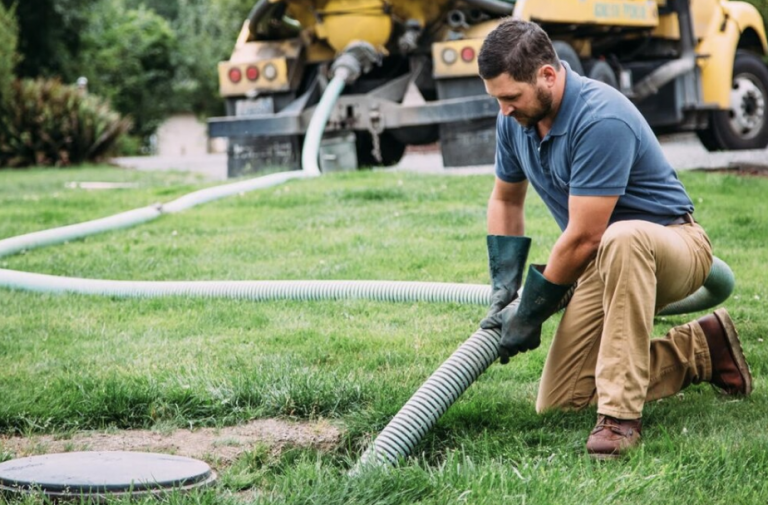
How to Tell If Your Septic Tank Needs Pumping Before Winter
Utah winters can be beautiful—but they’re also tough on your home’s septic system. Once the ground freezes, septic maintenance becomes far more difficult and expensive. That’s why it’s crucial to recognize the signs your tank needs attention before winter hits. At Septek Services, we’ve helped Utah homeowners maintain healthy, efficient septic systems for decades. Here’s how to tell if it’s time for a septic tank pumping before the cold weather sets in. 1. Slow Drains Throughout the House If you’ve noticed sinks, tubs, or toilets draining more slowly than usual, your tank may be nearing capacity. While one slow drain could indicate a clog, multiple slow drains often point to a septic system that’s full or struggling to process wastewater efficiently. A professional inspection can determine whether your tank simply needs pumping or if there’s a blockage in the drainfield. 2. Unpleasant Odors Around the Yard or Drains A well-functioning septic system should never smell. If you start noticing sewage odors inside your home or around the drainfield, it’s a red flag that your tank is overloaded or nearing failure. These gases are not only unpleasant but also unhealthy. Schedule septic pumping in Utah immediately to eliminate the cause and restore balance to your system. 3. Standing Water Near the Drainfield When your septic tank is too full, wastewater can rise to the surface and pool near the drainfield. This is a serious sign of overload and can contaminate soil or groundwater. If you see standing water or consistently soggy ground—even when it hasn’t rained—it’s time to have your system inspected by Septek Services right away. 4. Gurgling Sounds from Pipes or Toilets Strange noises when flushing or running water often indicate trapped air caused by a backup in your septic system. This is another early warning sign that your tank is full. Ignoring it could result in sewage backing up into your home—one of the most unpleasant (and expensive) plumbing emergencies. 5. Time Since Your Last Pumping If you can’t remember the last time your septic tank was pumped, that’s a sign in itself! Most households in Utah should have their tanks pumped every three to five years. Larger families or smaller tanks may require more frequent service. Our technicians at Septek Services can check your system’s sludge levels and determine the best pumping schedule for your home. 6. You’re Planning to Host Guests or Travel for the Holidays If you’re expecting extra guests over the holidays—or you’ll be gone for an extended period—it’s wise to service your system beforehand. Extra water usage during family gatherings can strain your tank, while long periods of inactivity can upset bacterial balance. A pre-winter pumping keeps everything flowing smoothly and prevents unexpected surprises when you return. Why Fall Is the Best Time for Septic Pumping in Utah Once the ground freezes, accessing your tank becomes more challenging and expensive. Fall offers ideal weather and soil conditions for safe, efficient service. At Septek Services, we recommend scheduling septic tank pumping in Utah between early September and mid-November for the best results. Why Homeowners Choose Septek Services With years of experience serving Utah families, Septek Services is your trusted partner for reliable septic care. Our technicians are trained, licensed, and equipped with modern equipment for fast, clean, and thorough service. We’re committed to protecting your home, your property value, and the environment—all at fair, transparent pricing. Schedule Your Septic Tank Pumping in Utah Today Don’t let winter catch you off guard. Contact Septek Services today to schedule your septic tank pumping in Utah before the ground freezes. Our expert technicians will ensure your system runs efficiently and safely all season long. FAQ Q: How do I know how often to pump my tank?A: It depends on your household size and tank capacity, but every 3–5 years is typical for most Utah homes. Q: Can I use additives instead of pumping?A: No. Additives can upset bacterial balance, but don’t remove solids. Pumping is the only effective maintenance method.
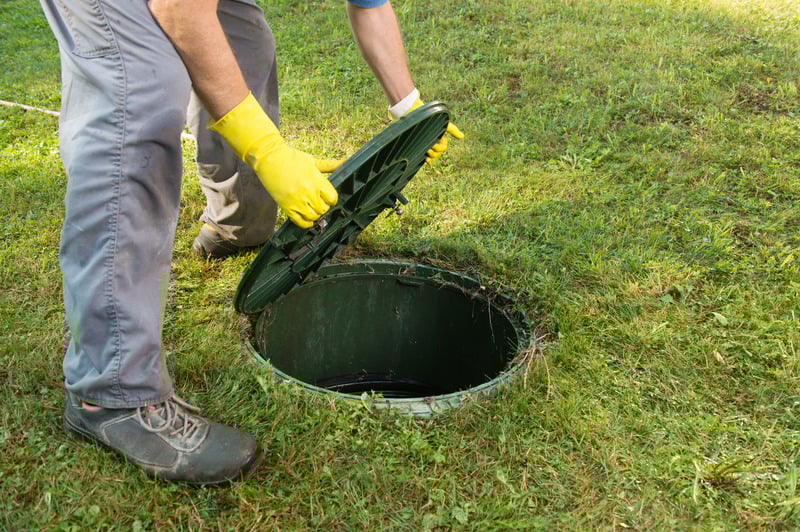
Fall Septic System Maintenance Tips Every Homeowner Should Know
As the leaves change and cooler weather arrives, homeowners across Utah start preparing their properties for winter. While you’re busy checking gutters and sprinklers, don’t forget one of the most important systems on your property—your septic system. Fall is the ideal time for septic maintenance because the ground is still soft and conditions are favorable for inspection and pumping. At Septek Services, we’ve helped homeowners protect their septic systems year-round. Here are the top fall septic maintenance tips every homeowner should know before winter hits. 1. Schedule a Professional Septic Inspection Fall is the perfect time to schedule your annual septic inspection. A professional technician can check for leaks, drainage issues, and early warning signs that may lead to costly repairs if ignored. During an inspection, we’ll evaluate the tank’s condition, test your system’s flow rate, and ensure that solids aren’t nearing capacity. Catching small issues now prevents big problems during Utah’s coldest months when repairs are harder to perform. 2. Pump Your Septic Tank if It’s Due If it’s been more than three to five years since your last pumping, now’s the time. Cold weather can make pumping difficult once the ground freezes, and waiting too long can lead to backups or system failure. A septic tank pumping in the fall clears out accumulated sludge and grease, improving system performance and extending its lifespan. Our technicians at Septek Services handle the process safely and efficiently, keeping your system in top shape. 3. Inspect and Mark Your Septic Lids and Risers Once the snow falls, finding your septic lids can become a challenge. Mark them now with visible stakes or landscape flags to make future service easier. It’s also smart to check your risers and lids for cracks or loose fittings. Secure lids prevent water infiltration from rain or melting snow that could overload your system. 4. Divert Runoff Away from the Drainfield Heavy fall rains and melting snow can saturate your drainfield, limiting its ability to process wastewater properly. Make sure your downspouts, sump pumps, and landscape grading divert water away from your septic area. Standing water or muddy spots near your drainfield are red flags that your system is under stress. 5. Avoid Overloading Your System During the Holidays Fall and winter often mean hosting family gatherings—and heavier water use. Stagger laundry loads, limit long showers, and avoid running multiple water-heavy appliances at once. Your septic system can handle daily use, but too much water at once can push solids into the drainfield, reducing efficiency and leading to clogs. 6. Protect Your System from Cold Weather Once winter arrives, snow and frozen ground insulate your septic tank naturally. However, compacting the soil above it—by driving or parking vehicles over the area—can push frost deeper into the ground and freeze your lines. Keep heavy equipment and vehicles off your septic system at all times. Why Utah Homeowners Trust Septek Services At Septek Services, we specialize in reliable septic inspections, maintenance, and pumping throughout Utah. With decades of local experience, our technicians understand the soil conditions, climate, and septic regulations unique to the area. We pride ourselves on honesty, professionalism, and keeping your home safe from costly septic issues—all while protecting the environment. Schedule Your Fall Septic Maintenance in Utah Don’t wait for winter to discover a septic issue. Call Septek Services today to schedule your fall septic inspection or pumping. Our licensed experts will ensure your system runs smoothly all winter long. FAQ Q: How often should I have my septic tank pumped?A: Most households need pumping every 3–5 years, depending on tank size and usage. Q: Can I pump my septic tank in winter?A: It’s possible, but much harder. That’s why fall is the best time for septic service in Utah.