Discover why septic tank cleaning is vital for Dayton homeowners. Learn how regular cleaning prevents backups, odors, and costly repairs. Trust Septek for expert local service.
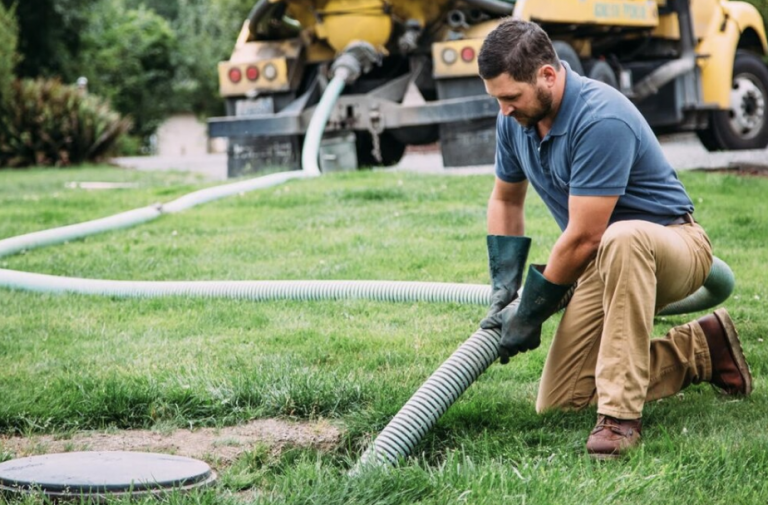
How to Tell If Your Septic Tank Needs Pumping Before Winter
Utah winters can be beautiful—but they’re also tough on your home’s septic system. Once the ground freezes, septic maintenance becomes far more difficult and expensive. That’s why it’s crucial to recognize the signs your tank needs attention before winter hits. At Septek Services, we’ve helped Utah homeowners maintain healthy, efficient septic systems for decades. Here’s how to tell if it’s time for a septic tank pumping before the cold weather sets in. 1. Slow Drains Throughout the House If you’ve noticed sinks, tubs, or toilets draining more slowly than usual, your tank may be nearing capacity. While one slow drain could indicate a clog, multiple slow drains often point to a septic system that’s full or struggling to process wastewater efficiently. A professional inspection can determine whether your tank simply needs pumping or if there’s a blockage in the drainfield. 2. Unpleasant Odors Around the Yard or Drains A well-functioning septic system should never smell. If you start noticing sewage odors inside your home or around the drainfield, it’s a red flag that your tank is overloaded or nearing failure. These gases are not only unpleasant but also unhealthy. Schedule septic pumping in Utah immediately to eliminate the cause and restore balance to your system. 3. Standing Water Near the Drainfield When your septic tank is too full, wastewater can rise to the surface and pool near the drainfield. This is a serious sign of overload and can contaminate soil or groundwater. If you see standing water or consistently soggy ground—even when it hasn’t rained—it’s time to have your system inspected by Septek Services right away. 4. Gurgling Sounds from Pipes or Toilets Strange noises when flushing or running water often indicate trapped air caused by a backup in your septic system. This is another early warning sign that your tank is full. Ignoring it could result in sewage backing up into your home—one of the most unpleasant (and expensive) plumbing emergencies. 5. Time Since Your Last Pumping If you can’t remember the last time your septic tank was pumped, that’s a sign in itself! Most households in Utah should have their tanks pumped every three to five years. Larger families or smaller tanks may require more frequent service. Our technicians at Septek Services can check your system’s sludge levels and determine the best pumping schedule for your home. 6. You’re Planning to Host Guests or Travel for the Holidays If you’re expecting extra guests over the holidays—or you’ll be gone for an extended period—it’s wise to service your system beforehand. Extra water usage during family gatherings can strain your tank, while long periods of inactivity can upset bacterial balance. A pre-winter pumping keeps everything flowing smoothly and prevents unexpected surprises when you return. Why Fall Is the Best Time for Septic Pumping in Utah Once the ground freezes, accessing your tank becomes more challenging and expensive. Fall offers ideal weather and soil conditions for safe, efficient service. At Septek Services, we recommend scheduling septic tank pumping in Utah between early September and mid-November for the best results. Why Homeowners Choose Septek Services With years of experience serving Utah families, Septek Services is your trusted partner for reliable septic care. Our technicians are trained, licensed, and equipped with modern equipment for fast, clean, and thorough service. We’re committed to protecting your home, your property value, and the environment—all at fair, transparent pricing. Schedule Your Septic Tank Pumping in Utah Today Don’t let winter catch you off guard. Contact Septek Services today to schedule your septic tank pumping in Utah before the ground freezes. Our expert technicians will ensure your system runs efficiently and safely all season long. FAQ Q: How do I know how often to pump my tank?A: It depends on your household size and tank capacity, but every 3–5 years is typical for most Utah homes. Q: Can I use additives instead of pumping?A: No. Additives can upset bacterial balance, but don’t remove solids. Pumping is the only effective maintenance method.
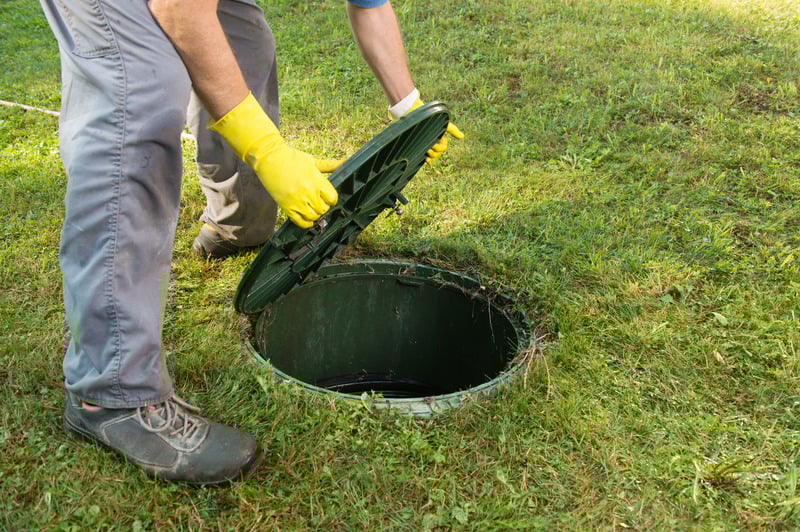
Fall Septic System Maintenance Tips Every Homeowner Should Know
As the leaves change and cooler weather arrives, homeowners across Utah start preparing their properties for winter. While you’re busy checking gutters and sprinklers, don’t forget one of the most important systems on your property—your septic system. Fall is the ideal time for septic maintenance because the ground is still soft and conditions are favorable for inspection and pumping. At Septek Services, we’ve helped homeowners protect their septic systems year-round. Here are the top fall septic maintenance tips every homeowner should know before winter hits. 1. Schedule a Professional Septic Inspection Fall is the perfect time to schedule your annual septic inspection. A professional technician can check for leaks, drainage issues, and early warning signs that may lead to costly repairs if ignored. During an inspection, we’ll evaluate the tank’s condition, test your system’s flow rate, and ensure that solids aren’t nearing capacity. Catching small issues now prevents big problems during Utah’s coldest months when repairs are harder to perform. 2. Pump Your Septic Tank if It’s Due If it’s been more than three to five years since your last pumping, now’s the time. Cold weather can make pumping difficult once the ground freezes, and waiting too long can lead to backups or system failure. A septic tank pumping in the fall clears out accumulated sludge and grease, improving system performance and extending its lifespan. Our technicians at Septek Services handle the process safely and efficiently, keeping your system in top shape. 3. Inspect and Mark Your Septic Lids and Risers Once the snow falls, finding your septic lids can become a challenge. Mark them now with visible stakes or landscape flags to make future service easier. It’s also smart to check your risers and lids for cracks or loose fittings. Secure lids prevent water infiltration from rain or melting snow that could overload your system. 4. Divert Runoff Away from the Drainfield Heavy fall rains and melting snow can saturate your drainfield, limiting its ability to process wastewater properly. Make sure your downspouts, sump pumps, and landscape grading divert water away from your septic area. Standing water or muddy spots near your drainfield are red flags that your system is under stress. 5. Avoid Overloading Your System During the Holidays Fall and winter often mean hosting family gatherings—and heavier water use. Stagger laundry loads, limit long showers, and avoid running multiple water-heavy appliances at once. Your septic system can handle daily use, but too much water at once can push solids into the drainfield, reducing efficiency and leading to clogs. 6. Protect Your System from Cold Weather Once winter arrives, snow and frozen ground insulate your septic tank naturally. However, compacting the soil above it—by driving or parking vehicles over the area—can push frost deeper into the ground and freeze your lines. Keep heavy equipment and vehicles off your septic system at all times. Why Utah Homeowners Trust Septek Services At Septek Services, we specialize in reliable septic inspections, maintenance, and pumping throughout Utah. With decades of local experience, our technicians understand the soil conditions, climate, and septic regulations unique to the area. We pride ourselves on honesty, professionalism, and keeping your home safe from costly septic issues—all while protecting the environment. Schedule Your Fall Septic Maintenance in Utah Don’t wait for winter to discover a septic issue. Call Septek Services today to schedule your fall septic inspection or pumping. Our licensed experts will ensure your system runs smoothly all winter long. FAQ Q: How often should I have my septic tank pumped?A: Most households need pumping every 3–5 years, depending on tank size and usage. Q: Can I pump my septic tank in winter?A: It’s possible, but much harder. That’s why fall is the best time for septic service in Utah.
Signs Your Leach Field Needs Professional Repair
The leach field is a vital component of your septic system. It is responsible for dispersing wastewater into the soil after it leaves your septic tank, allowing it to be filtered naturally. When a leach field fails, it can lead to backups, pooling water, foul odors, and even environmental contamination. At SepTek, we specialize in leach field repair services in Dayton, Cincinnati, and across Ohio. Understanding the warning signs can help homeowners address problems before they become severe. How the Leach Field Works Once wastewater leaves the septic tank, it flows into the leach field—a network of perforated pipes buried in soil. The soil naturally treats and filters the water, allowing it to safely seep into the groundwater. Over time, the leach field can develop problems that prevent proper drainage and filtering. Common causes include soil compaction, excess solids from the tank, root intrusion, and overuse. Signs Your Leach Field Is Failing 1. Slow Drains or Backups If multiple drains in your home are draining slowly, it may indicate that wastewater is not properly dispersing in the leach field. Backups can affect toilets, sinks, and showers and are often the first visible sign of leach field issues. 2. Foul Odors A strong sewage smell around your septic tank or yard is a warning that your leach field may be failing. Wastewater that cannot properly filter through the soil can surface and produce unpleasant odors. 3. Standing Water or Saturated Areas Pools of water or soggy spots in the yard near your septic system are red flags. These areas indicate that wastewater is not draining correctly, often due to a saturated or damaged leach field. 4. Lush, Green Patches of Grass Excessively green or fast-growing grass over the leach field can signal that wastewater is surfacing instead of draining properly. While it may look attractive, this is often a symptom of a failing system. Causes of Leach Field Problems Clogged Pipes: Solids or scum from the septic tank can enter the leach field and clog the pipes. Tree Root Intrusion: Roots can infiltrate the pipes, causing blockages and damage. Excess Water Usage: Overloading the system with water prevents proper filtration. Soil Compaction: Vehicles, heavy equipment, or landscaping over the leach field can reduce the soil’s absorption capacity. How to Fix Leach Field Issues Professional leach field inspection and repair is essential to restore proper wastewater treatment. Depending on the problem, repair options include: Hydro-jetting or pipe clearing: Clears clogs in leach field pipes caused by sludge or roots. Leach field rejuvenation: Aerates the soil or restores proper flow to extend the field’s life. Leach field replacement: In severe cases, replacing part or all of the leach field may be necessary for proper system function. Preventive Measures Regular septic tank pumping: Reduces solids entering the leach field. Conserve water: Avoid overloading the system with heavy water usage. Avoid planting trees near the field: Prevents root intrusion. Keep vehicles off the leach field: Prevents soil compaction and ensures proper drainage. A failing leach field can lead to costly repairs, health hazards, and property damage. By recognizing the warning signs and addressing them early, homeowners in Dayton, Cincinnati, and nearby Ohio areas can protect their septic systems. SepTek offers expert leach field repair and drain field inspection services to ensure your system functions properly. Don’t wait until a small problem becomes a major issue—contact us today.
How Often Should You Pump Your Septic Tank in Ohio?
A properly functioning septic system is essential for maintaining a safe and clean home, particularly for homeowners in Dayton, Cincinnati, and surrounding Ohio communities. One of the most important aspects of septic system care is regular pumping. Failing to pump your septic tank can result in backups, costly repairs, and even environmental contamination. At SepTek, we provide professional septic cleaning services and can help you understand how often your septic tank should be pumped and why it matters. Why Regular Septic Tank Pumping Matters Septic tanks collect and treat household wastewater. Over time, solids settle at the bottom of the tank, forming sludge, while oils and lighter particles form scum at the top. If these materials are not removed periodically, they can overflow into the drain field, causing clogs, backups, and system failure. Regular pumping prevents solids from accumulating to dangerous levels. A septic tank that is neglected can lead to sewage backing up into your home, pooling in the yard, or contaminating groundwater. These problems can be expensive to repair and create a serious health hazard. Recommended Pumping Schedule The frequency of septic tank pumping depends on several factors, including tank size, household size, and the amount of wastewater your home generates. In general: Other factors to consider include the use of a garbage disposal, which increases solid waste entering the tank, and high water consumption. Homes with high water usage may need to pump their septic tanks more frequently. Signs It’s Time to Pump Your Septic Tank Even if you’re unsure of the last pumping date, there are warning signs your septic system may need service: Addressing these issues promptly can prevent more extensive and costly repairs. Professional Septic Cleaning Services in Ohio At SepTek, we provide expert septic tank pumping and cleaning services in Dayton, Cincinnati, and surrounding Ohio areas. Our high-capacity equipment allows us to remove sludge and scum efficiently, keeping your system running smoothly. Regular pumping also allows our technicians to inspect the tank for early signs of damage, such as cracks or leaks, helping prevent further complications. By following a professional maintenance schedule, homeowners can extend the life of their septic system and avoid emergencies. Tips to Extend Your Septic System’s Life Septic tank pumping is not just a routine task—it’s essential to the longevity and performance of your septic system. Homes in Dayton, Cincinnati, and nearby Ohio communities should follow a regular pumping schedule to prevent backups, expensive repairs, and environmental hazards. If you’re unsure when your septic tank was last pumped or notice warning signs, contact SepTek today. Our team provides professional septic cleaning services, ensuring your system stays healthy and fully functional.
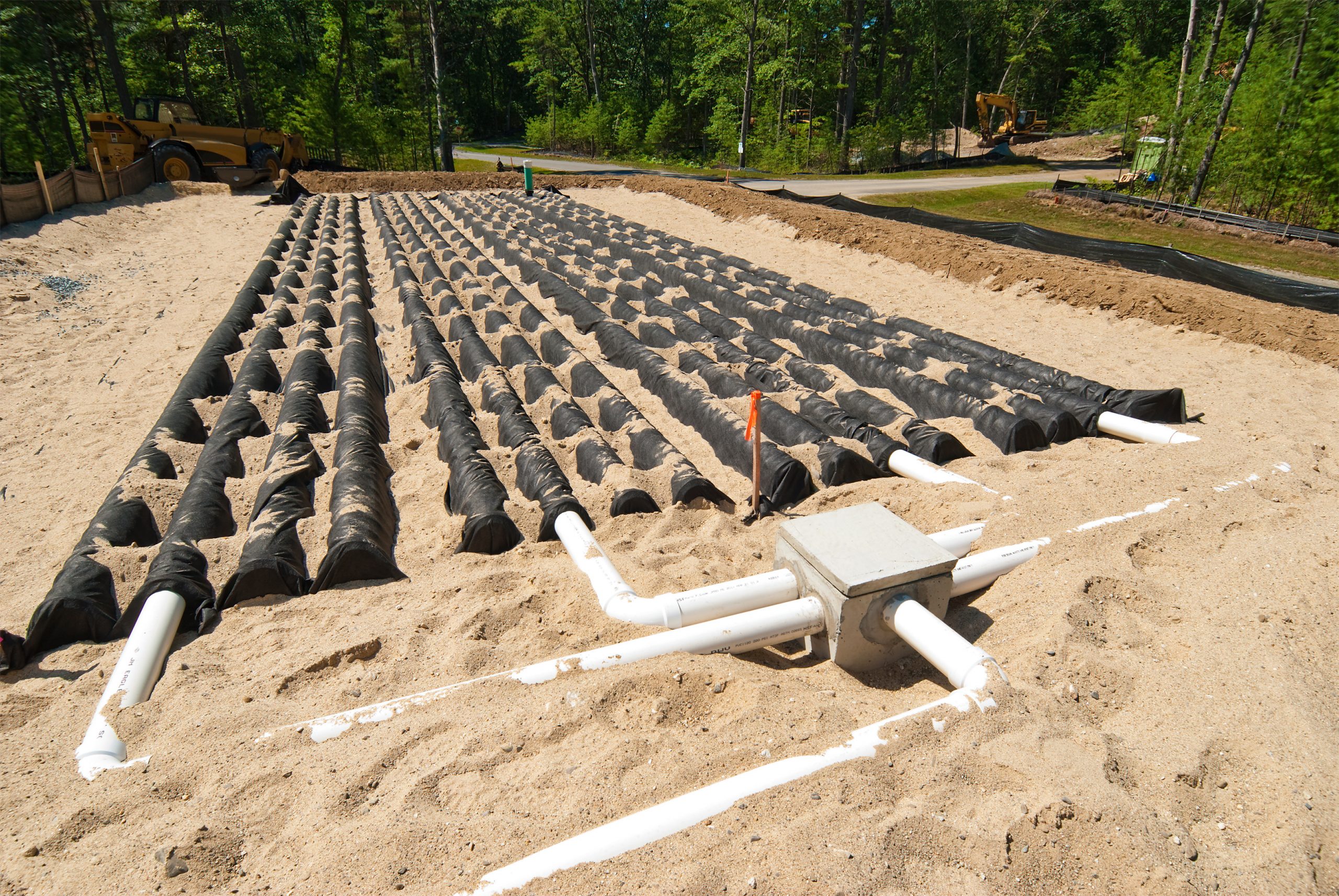
Understanding Leach Field Problems and How to Fix Them
Your leach field (also called a drain field) is a critical part of your septic system, responsible for filtering and disposing of wastewater after it leaves the septic tank. However, over time, leach fields can face issues that prevent them from functioning properly, leading to backups, slow drainage, and system failure. At SepTek, we specialize in leach field repair services and can help you understand common leach field problems and how to fix them. 1. Clogged Pipes Over time, solids from the septic tank can flow into the leach field pipes and clog them, potentially causing issues. This prevents wastewater from flowing through the system properly and can lead to backups or slow drainage. How to Fix Clogged Leach Field Pipes: Hydro-Jetting: Hydro-jetting uses high-pressure water to clear clogs from pipes, restoring proper flow. This method can often resolve minor blockages without needing to replace the pipes. Pipe Replacement: If the pipes are too damaged or clogged, they may need to be replaced. This involves digging up the old pipes and installing new ones, ensuring proper wastewater flow. 2. Saturated Soil Saturated soil occurs when the ground around the leach field becomes too wet to effectively filter wastewater. This is often caused by excessive rain, flooding, or poor drainage. When the soil becomes saturated, wastewater can’t filter properly, leading to standing water or backups. How to Fix a Saturated Leach Field: Rejuvenation: In some cases, the soil can be rejuvenated by aerating it or adding fresh soil. This helps improve water absorption and restore the filtration process. Field Replacement: If the leach field is too saturated and rejuvenation doesn’t work, the field may need to be replaced. A new leach field can help restore the system’s function and prevent future saturation. 3. Root Intrusion Tree roots are naturally attracted to moisture and nutrients, and they can infiltrate leach field pipes. Once inside, roots can cause blockages, pipe damage, and reduced efficiency in the system. How to Fix Root Intrusion: Root Removal: Roots must be manually or mechanically removed from the pipes. Hydro-jetting can also be used to clear small root intrusions. Pipe Replacement: In some cases, roots can cause significant damage to pipes. If this happens, the affected pipes will need to be replaced with root-resistant materials to prevent future issues. 4. Excessive Water Usage Using more water than your septic system can handle puts a strain on the leach field. If too much water enters the system at once, it can overwhelm the soil and lead to improper filtration or backup. How to Prevent Excessive Water Usage: Stagger Water Use: Avoid using water-intensive appliances at the same time. For example, don’t run the dishwasher while doing laundry. Install Water-Saving Devices: Low-flow faucets, showerheads, and toilets can help reduce the amount of water entering your septic system. 5. Soil Compaction When the soil above the leach field becomes compacted due to heavy foot traffic or the weight of vehicles, it reduces the soil’s ability to absorb and filter wastewater properly. How to Fix Soil Compaction: Aeration: Aerating the soil above the leach field can break up compacted layers and improve water flow. Avoid Heavy Traffic: Keep vehicles and heavy equipment off your leach field to prevent further soil compaction. Be mindful of planting trees or other plants that could put additional pressure on the area. How to Prevent Leach Field Problems Preventing leach field problems starts with regular leach field cleaning and maintenance. Here are a few tips to ensure your leach field remains in good condition: Regular Inspections: Have your septic system, including the leach field, inspected every few years to identify potential problems early. Proper Waste Disposal: Only flush toilet paper and human waste—avoid flushing non-biodegradable items like wet wipes or paper towels. Maintain Proper Drainage: Ensure that water doesn’t pool near your leach field, as excess water can saturate the soil and cause problems. Conserve Water: Minimize water usage to prevent overloading the septic system, which can overwhelm the leach field. Leach field issues can lead to significant septic system problems if left unaddressed. Regular maintenance, proper water usage, and prompt repairs can prevent costly damage and ensure your system functions properly. If you’re experiencing leach field problems or need repairs, contact SepTek Services for professional assistance.
How to Prepare Your Septic System for Heavy Rain or Flooding
Heavy rain and flooding can put significant strain on your septic system, causing backups, system failure, and costly repairs. At SepTek, we understand the importance of maintaining your septic system, especially during adverse weather conditions. Here’s how you can prepare your septic system for heavy rain or flooding and protect it from potential issues. 1. Regular Maintenance to Ensure Functionality The most important step in preparing your septic system for storms is ensuring it is well-maintained. Regular pumping and inspections help prevent clogs and backups, which can worsen during heavy rain. How Regular Maintenance Helps: 2. Protect Your Leach Field The leach field is critical to the functioning of your septic system, but it can easily become overwhelmed during heavy rain. Saturation or clogging in the field can lead to wastewater backup and system failure. How to Protect Your Leach Field: 3. Elevate Components in Flood-Prone Areas In areas prone to flooding, elevating your septic system components can prevent contamination and damage. Installing risers or flood-proof covers can help protect your tank from excessive water exposure. How to Elevate Your System: 4. Divert Rainwater Away from the System Excess rainwater can saturate the soil around your septic system, causing the system to fail. Ensuring water is diverted away from the septic tank and leach field helps prevent unnecessary strain on the system during heavy rain. How to Divert Water: 5. Be Mindful of Water Usage During Storms Excess water from showers, laundry, and appliances can overload your septic system during heavy rain, especially when the ground is already saturated. How to Manage Water Usage: 6. Monitor for Signs of Trouble After Storms After a heavy storm, it’s important to keep an eye on your septic system for any signs of issues. Problems such as slow drainage, foul odors, or standing water may indicate that your system has been compromised. Signs You May Need Help: Preparing your septic system for heavy rain or flooding is essential to avoid costly repairs and potential failures. Regular maintenance, protecting your leach field, and diverting rainwater away from your system are key steps to keeping your system running smoothly. If you live in an area prone to flooding, consider elevating your septic system components to prevent damage. For expert help with preparing your septic system for storms, contact SepTek Services today. Our team is here to help ensure your system is ready for anything.
What to Expect During a Septic Inspection for Real Estate Transactions in Ohio
When buying or selling a home in Ohio, one of the most important steps in the process is ensuring that the septic system is in good working condition. A septic inspection is typically required during a real estate transaction to verify that the system is functioning properly and doesn’t have any hidden issues that could affect the sale. At SepTek, we specialize in septic system inspections and are here to walk you through what to expect during this crucial part of the process. 1. Initial Consultation and Scheduling The first step in a septic inspection for a real estate transaction is scheduling an appointment with a licensed septic service provider, like SepTek. The timing of this inspection is key—if you’re a seller, it’s recommended to have the inspection done before listing your home. For buyers, the inspection should be scheduled after your offer has been accepted but before finalizing the sale. During the initial consultation, the inspector will ask about the home’s history, including the age of the septic system, any previous repairs, and the size of the system. This helps the inspector prepare for the inspection and understand what may need extra attention. 2. Visual Inspection of the Septic System Components Once the inspection is scheduled, the first step on inspection day is a visual check of the system’s components. The septic tank, pipes, and drain field will be evaluated to ensure there are no visible signs of damage, leaks, or clogs. The inspector will look for things like cracks, corrosion, or signs of overflow around the system. They will also check the area around the septic tank for any signs of standing water, foul odors, or excessive plant growth, which could indicate problems with the tank or drain field. 3. Locating the Septic System Before any work can be done, the septic tank needs to be located. In many cases, the location of the tank and drain field is outlined in the property’s records. However, if the location is not known, the inspector may need to use specialized equipment to locate the tank. This may involve probing the soil or using a camera to help pinpoint its location. If the tank’s location is not easily accessible, the inspector may need to remove sod or other obstructions to gain access to the tank. 4. Pumping the Septic Tank A crucial part of the septic inspection process is pumping the septic tank to determine its condition. Pumping the tank allows the inspector to remove the waste and sludge from the tank, making it easier to assess the tank’s size, structure, and any potential issues. During the pumping process, the inspector will look for signs of damage, such as cracks, leaks, or excessive buildup. They’ll also check the tank’s baffles (the internal components that direct the flow of wastewater) to ensure they are intact and functioning properly. In most real estate transactions, sellers are responsible for the cost of the pumping, but this can be negotiated in the contract, depending on the specifics of the transaction. 5. Evaluating the Drain Field and Perimeter The next step in the inspection involves assessing the condition of the drain field (also called the leach field). The drain field is responsible for filtering out wastewater after it leaves the septic tank. A malfunctioning drain field can lead to serious issues, such as water backing up into the home or wastewater pooling on the property. The inspector will check for any signs of damage to the drain field and may even test the soil to ensure it’s still able to properly absorb wastewater. In some cases, the inspector will use specialized equipment to check for any blockages or uneven drainage. 6. System Functionality Test After the visual inspection and pumping, the inspector will conduct a functionality test to ensure the septic system is working properly. This typically involves running water through the system and monitoring its flow and drainage to see if there are any slowdowns or backups. If the system shows signs of failure during this test, it could be a red flag, especially in the context of a real estate transaction. 7. Reporting and Recommendations Once the inspection is complete, the septic inspector will provide a detailed report outlining their findings. This report will include information on the tank’s condition, the status of the drain field, and any other relevant details. If there are any issues with the system, the inspector will recommend necessary repairs or maintenance. For buyers, this report can be used to negotiate repairs or a reduction in price based on the condition of the septic system. For sellers, this report can be used to resolve any issues before listing the property or provide transparency to potential buyers. 8. The Bottom Line: Why a Septic Inspection Matters A septic inspection is a vital step in the home-buying and selling process in Ohio. It not only ensures the system is functioning correctly but also protects both parties from unexpected repair costs down the line. At SepTek, we understand the importance of a thorough, reliable septic inspection, and we’re committed to helping buyers and sellers navigate this process with ease. If you’re buying or selling a home in the Cincinnati to Dayton area, contact SepTek for your septic system inspection. Our team of experts is here to ensure that the process goes smoothly and that you have peace of mind knowing your septic system is in good condition. Reach out today to schedule your inspection!
Top Signs Your Septic System Needs Pumping in Ohio
At SepTek, we understand the importance of maintaining your septic system to ensure it operates efficiently and lasts for years. Regular pumping is essential to prevent backups, odors, and costly repairs. Knowing when to pump your septic tank can save you time, money, and hassle. As a trusted septic service provider serving areas like Cincinnati and Dayton, we’ve compiled a list of the top signs your septic system may need pumping. 1. Slow Draining or Backup in Your Drains One of the most common signs that your septic tank needs pumping is slow drainage. If you notice that water is taking longer to drain from your sinks, showers, or toilets, it could indicate that your septic system is becoming full. When the tank fills up with waste and solids, it can cause blockages in the pipes, leading to slow or stopped drains. In severe cases, this may result in wastewater backing up into your home, which is a problem that requires immediate attention. 2. Foul Odors Around Your Septic System If you start noticing unpleasant smells near your septic tank or drain field, this is a clear sign that your system is reaching its capacity. A full septic tank can cause gases from the waste inside to escape, creating foul odors. These smells can also start to invade your home, making it uncomfortable to live in. If you detect these odors around your property, it’s important to schedule a septic inspection and pumping as soon as possible to avoid further complications. 3. Gurgling Noises in Your Plumbing Have you heard gurgling or bubbling noises coming from your plumbing? This is another sign that your septic system might be full. When the tank is full, it can prevent wastewater from flowing freely into the drain field, causing air to become trapped in the pipes. This leads to the characteristic gurgling sound in your plumbing. If you hear these noises, it’s time to give us a call for an inspection and pumping service. 4. Pooling Water or Wet Spots in Your Yard If you notice areas of standing water or wet spots in your yard, particularly near the location of your septic tank or drain field, it may be a sign that your septic system is overflowing. When the tank fills up, it can overwhelm the drain field, causing wastewater to rise to the surface. Not only is this unsightly, but it can also create unpleasant smells and pose potential health risks. Pooling water should be addressed immediately with a professional septic service. 5. Unusually Lush or Green Grass Around the Septic Tank While some grass and vegetation around your septic tank are normal, excessive growth in certain areas may indicate a problem. If the tank is full and overflowing, nutrient-rich water from the system can seep into the soil, encouraging excessive plant growth. If you notice that the grass or plants around your septic system are unusually lush or green, it may be time for a septic inspection and pumping. 6. Long Time Between Pumping If you’ve never had your septic tank pumped or if it has been several years since the last pumping, your system may be due for maintenance. A well-maintained septic system should be pumped regularly, usually every 3 to 5 years. Homes with larger families or increased water usage may require more frequent pumping. If it’s been a while since your last service, don’t wait for signs of a problem to appear—schedule a pumping today to ensure your system stays in optimal condition. 7. Increased Water Usage A sudden increase in water usage, whether due to extra family members, guests, or heavy rainfall, can overwhelm your septic system. If you notice that your septic system is struggling after periods of high water usage, it could indicate that the tank is nearing full capacity. Even if you don’t experience other symptoms right away, it’s still a good idea to have your system checked and pumped to prevent future issues. At SepTek, we’re committed to helping homeowners in Ohio maintain healthy septic systems. Recognizing the signs that your septic system needs pumping can prevent major issues and save you from costly repairs. Regular septic tank pumping is essential to keep your system running smoothly and extend its lifespan. If you notice any of the signs mentioned above, don’t wait—contact SepTek for a thorough inspection and professional septic pumping service. Whether you’re in Cincinnati, Dayton, or anywhere in between, we’re here to keep your septic system in top shape. Reach out to us today to schedule your septic service and ensure your system is working at its best.
The Difference Between Septic Repair and Replacement: Which Is Right for Your Ohio Home?
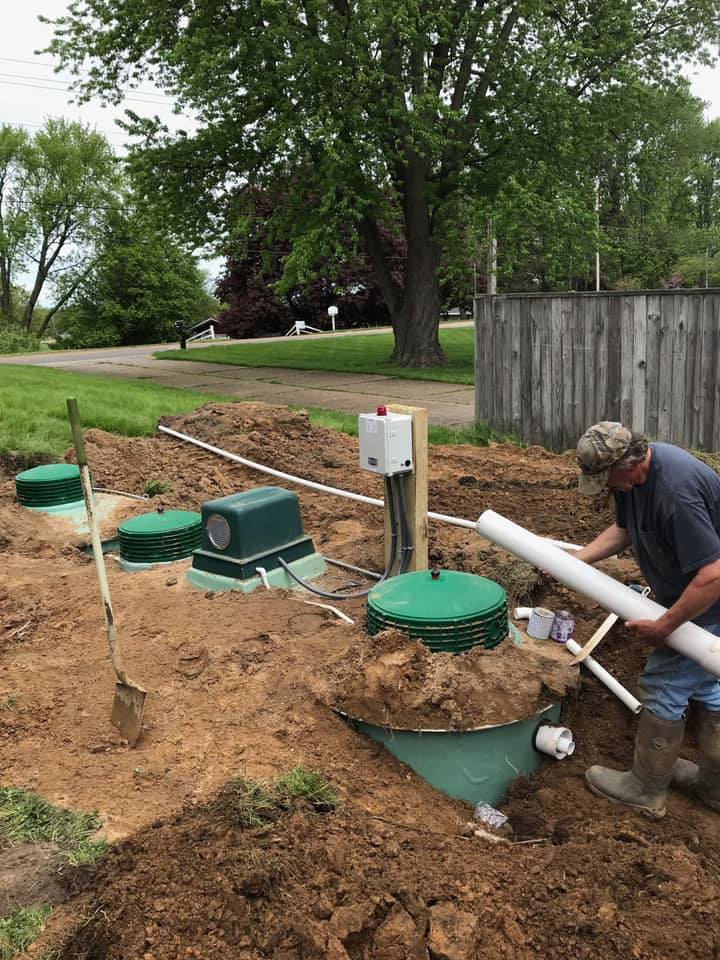
When your septic system begins to malfunction, deciding whether you need septic system repair vs replacement can be a daunting task. At SepTek, we understand the importance of making the right decision to protect your home and your budget. In this blog, we’ll break down the differences between septic repair and replacement, helping Ohio homeowners determine the best course of action for their septic systems. What Is Septic System Repair? Septic system repair is typically needed when there is a specific issue with a component of your system, but the overall system is still functioning. Repairs are usually less expensive and invasive than replacement, and they can prolong the life of your system. Common Septic System Repairs: Septic repairs are generally appropriate when the problem is localized and doesn’t affect the entire system. If your system is relatively new and well-maintained, repairs can be an effective and cost-efficient solution. What Is Septic System Replacement? Septic system replacement is a more extensive and expensive solution, usually required when the system is beyond repair. A replacement may be necessary if the septic tank is severely damaged, or if the system is outdated and unable to meet the needs of your home. When to Consider Septic System Replacement: While replacement is more costly, it ensures that your septic system is up to code and functioning properly for years to come. Septic System Repair vs Replacement: How to Decide? The decision between septic repair vs replacement depends on several factors. Here’s how to determine which option is right for you: Do I Need a New Septic System or a Repair? If you’re wondering, “Do I need a new septic system or a repair?” the answer depends on the severity of the issue and the age of your system. If your septic system is relatively new and the problem is minor, repairs may be sufficient. However, if your system is old, experiencing multiple issues, or if the drain field is failing, replacement is likely the better option. The Importance of Professional Evaluation To determine whether you need a septic system repair vs replacement, it’s important to have a professional septic service provider assess the situation. At SepTek, we offer thorough inspections to evaluate the condition of your septic system. Our team will give you an honest recommendation based on the severity of the issue, helping you make an informed decision that’s best for your home and budget. Deciding between septic system repair vs replacement is a crucial decision that depends on the condition of your system and the severity of the issues at hand. If you’re experiencing problems with your septic system, don’t wait—contact SepTek for a professional inspection. Whether you need a repair or a replacement, we’re here to help you make the best choice for your Ohio home. Reach out today to schedule your septic inspection!