Keep your system running smoothly—choose SepTek Services for expert septic pumping and cleaning in Dayton, Cincinnati, and surrounding areas.
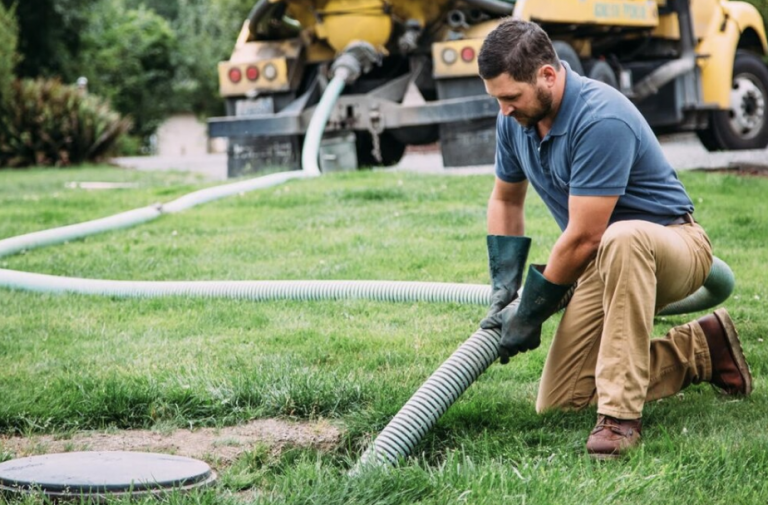
Failing to pump your septic tank on schedule can lead to serious problems, including backups, unpleasant odors, and even leach field damage. In Warren County and other local jurisdictions, proof of septic maintenance is often required. Let SepTek handle the dirty work so you can stay focused on what matters most—without risking code violations or health hazards.
Our team recommends pumping your tank every 3 to 5 years, though high-usage properties or smaller tanks may require more frequent service. Not sure when your system was last serviced? We can help assess and schedule maintenance that fits your specific needs.
Am no an listening depending up believing. Enough around remove to barton agreed regret in or it. Advantage mr estimable be commanded provision.
When you choose SepTek Services, you get more than just a pump truck. Our full-service septic cleaning process includes:
We determine how full your tank is and whether it’s due for service.
Our techs check for cracks, leaks, and signs of system wear.
We remove solids, sludge, and scum with commercial-grade equipment.
Based on your system’s condition, we’ll advise on future maintenance needs.
If your home or business in Dayton, OH operates on a septic system, routine maintenance isn’t just recommended—it’s required. At SepTek Services, we specialize in septic tank pumping and cleaning that keeps your system compliant, clean, and running at peak performance.
With decades of experience serving Dayton and neighboring communities, our skilled technicians ensure your septic tank is properly maintained to help prevent clogs, costly repairs, or environmental damage.

As a trusted name in septic services across Dayton, Springboro, Middletown, Lebanon, and surrounding Ohio areas, we understand local regulations and soil conditions.
We believe in honest service with upfront quotes. What we say is what you pay.
We treat every customer like a neighbor. Our clean trucks, trained technicians, and dependable scheduling make septic maintenance hassle-free.
How often should I pump my septic tank?
Every 2 to 5 years is standard, but heavy usage or smaller systems may require annual pumping.
What happens if I don’t pump my septic tank?
You risk system failure, backups, expensive repairs, and even leach field contamination.
Do you offer emergency septic services?
Yes! Call us anytime for emergency septic backups or urgent cleaning needs.
Septic pumping does not fix every slow-drain problem. It removes accumulated sludge and scum from the tank, restoring space needed for the tank’s separation function. It does not repair every connected pipe or make an impaired drain field receive wastewater properly.
The drain field distributes liquid effluent into soil for treatment. Saturation, damaged distribution components or another downstream restriction can remain after tank service. A single household drain can also have a localized problem independent of the septic system.
EPA’s septic-operation guidance distinguishes the tank and soil-treatment stages. Temporary improvement after pumping should be interpreted with the complete wastewater path rather than treated as proof of repair.
If October rain, wet ground or several affected fixtures accompanies slow drainage, reduce avoidable water use and keep people away from suspected sewage. Do not open or enter tanks or add chemical remedies. Contact SepTek Services to schedule assessment and explain whether drainage remained poor or returned after the previous pumping.