
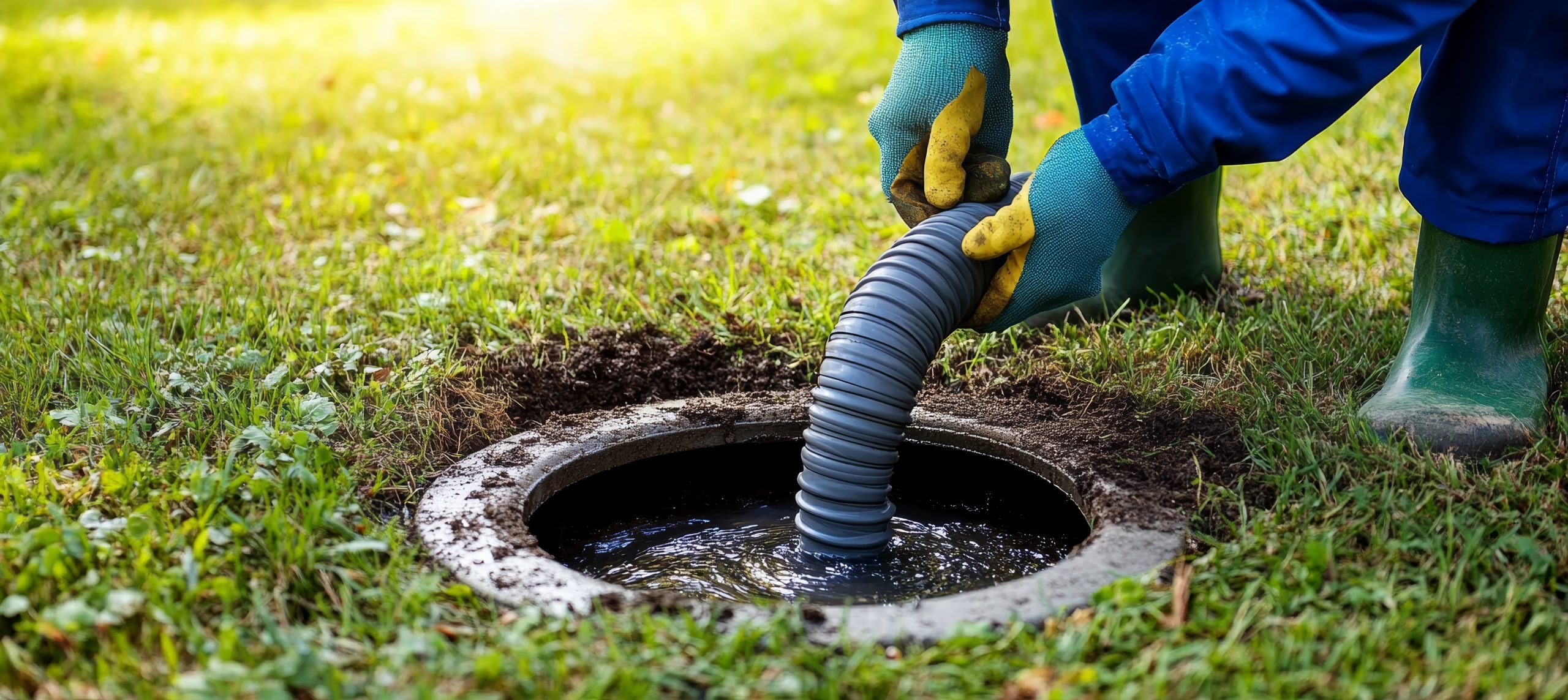
At SepTek, we understand the importance of maintaining your septic system to ensure it operates efficiently and lasts for years. Regular pumping is essential to prevent backups, odors, and costly repairs. Knowing when to pump your septic tank can save you time, money, and hassle. As a trusted septic service provider serving areas like Cincinnati and Dayton, we’ve compiled a list of the top signs your septic system may need pumping. 1. Slow Draining or Backup in Your Drains One of the most common signs that your septic tank needs pumping is slow drainage. If you notice that water is taking longer to drain from your sinks, showers, or toilets, it could indicate that your septic system is becoming full. When the tank fills up with waste and solids, it can cause blockages in the pipes, leading to slow or stopped drains. In severe cases, this may result in wastewater backing up into your home, which is a problem that requires immediate attention. 2. Foul Odors Around Your Septic System If you start noticing unpleasant smells near your septic tank or drain field, this is a clear sign that your system is reaching its capacity. A full septic tank can cause gases from the waste inside to escape, creating foul odors. These smells can also start to invade your home, making it uncomfortable to live in. If you detect these odors around your property, it’s important to schedule a septic inspection and pumping as soon as possible to avoid further complications. 3. Gurgling Noises in Your Plumbing Have you heard gurgling or bubbling noises coming from your plumbing? This is another sign that your septic system might be full. When the tank is full, it can prevent wastewater from flowing freely into the drain field, causing air to become trapped in the pipes. This leads to the characteristic gurgling sound in your plumbing. If you hear these noises, it’s time to give us a call for an inspection and pumping service. 4. Pooling Water or Wet Spots in Your Yard If you notice areas of standing water or wet spots in your yard, particularly near the location of your septic tank or drain field, it may be a sign that your septic system is overflowing. When the tank fills up, it can overwhelm the drain field, causing wastewater to rise to the surface. Not only is this unsightly, but it can also create unpleasant smells and pose potential health risks. Pooling water should be addressed immediately with a professional septic service. 5. Unusually Lush or Green Grass Around the Septic Tank While some grass and vegetation around your septic tank are normal, excessive growth in certain areas may indicate a problem. If the tank is full and overflowing, nutrient-rich water from the system can seep into the soil, encouraging excessive plant growth. If you notice that the grass or plants around your septic system are unusually lush or green, it may be time for a septic inspection and pumping. 6. Long Time Between Pumping If you’ve never had your septic tank pumped or if it has been several years since the last pumping, your system may be due for maintenance. A well-maintained septic system should be pumped regularly, usually every 3 to 5 years. Homes with larger families or increased water usage may require more frequent pumping. If it’s been a while since your last service, don’t wait for signs of a problem to appear—schedule a pumping today to ensure your system stays in optimal condition. 7. Increased Water Usage A sudden increase in water usage, whether due to extra family members, guests, or heavy rainfall, can overwhelm your septic system. If you notice that your septic system is struggling after periods of high water usage, it could indicate that the tank is nearing full capacity. Even if you don’t experience other symptoms right away, it’s still a good idea to have your system checked and pumped to prevent future issues. At SepTek, we’re committed to helping homeowners in Ohio maintain healthy septic systems. Recognizing the signs that your septic system needs pumping can prevent major issues and save you from costly repairs. Regular septic tank pumping is essential to keep your system running smoothly and extend its lifespan. If you notice any of the signs mentioned above, don’t wait—contact SepTek for a thorough inspection and professional septic pumping service. Whether you’re in Cincinnati, Dayton, or anywhere in between, we’re here to keep your septic system in top shape. Reach out to us today to schedule your septic service and ensure your system is working at its best.
The Difference Between Septic Repair and Replacement: Which Is Right for Your Ohio Home?
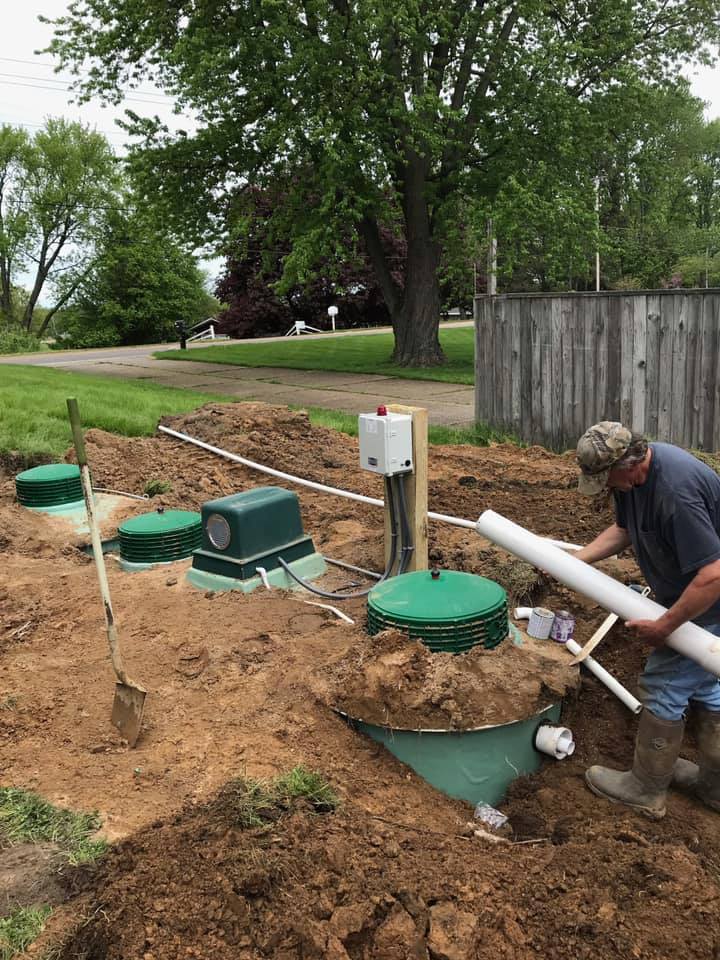
When your septic system begins to malfunction, deciding whether you need septic system repair vs replacement can be a daunting task. At SepTek, we understand the importance of making the right decision to protect your home and your budget. In this blog, we’ll break down the differences between septic repair and replacement, helping Ohio homeowners determine the best course of action for their septic systems. What Is Septic System Repair? Septic system repair is typically needed when there is a specific issue with a component of your system, but the overall system is still functioning. Repairs are usually less expensive and invasive than replacement, and they can prolong the life of your system. Common Septic System Repairs: Septic repairs are generally appropriate when the problem is localized and doesn’t affect the entire system. If your system is relatively new and well-maintained, repairs can be an effective and cost-efficient solution. What Is Septic System Replacement? Septic system replacement is a more extensive and expensive solution, usually required when the system is beyond repair. A replacement may be necessary if the septic tank is severely damaged, or if the system is outdated and unable to meet the needs of your home. When to Consider Septic System Replacement: While replacement is more costly, it ensures that your septic system is up to code and functioning properly for years to come. Septic System Repair vs Replacement: How to Decide? The decision between septic repair vs replacement depends on several factors. Here’s how to determine which option is right for you: Do I Need a New Septic System or a Repair? If you’re wondering, “Do I need a new septic system or a repair?” the answer depends on the severity of the issue and the age of your system. If your septic system is relatively new and the problem is minor, repairs may be sufficient. However, if your system is old, experiencing multiple issues, or if the drain field is failing, replacement is likely the better option. The Importance of Professional Evaluation To determine whether you need a septic system repair vs replacement, it’s important to have a professional septic service provider assess the situation. At SepTek, we offer thorough inspections to evaluate the condition of your septic system. Our team will give you an honest recommendation based on the severity of the issue, helping you make an informed decision that’s best for your home and budget. Deciding between septic system repair vs replacement is a crucial decision that depends on the condition of your system and the severity of the issues at hand. If you’re experiencing problems with your septic system, don’t wait—contact SepTek for a professional inspection. Whether you need a repair or a replacement, we’re here to help you make the best choice for your Ohio home. Reach out today to schedule your septic inspection!
How Often Should You Pump Your Septic Tank in Ohio?
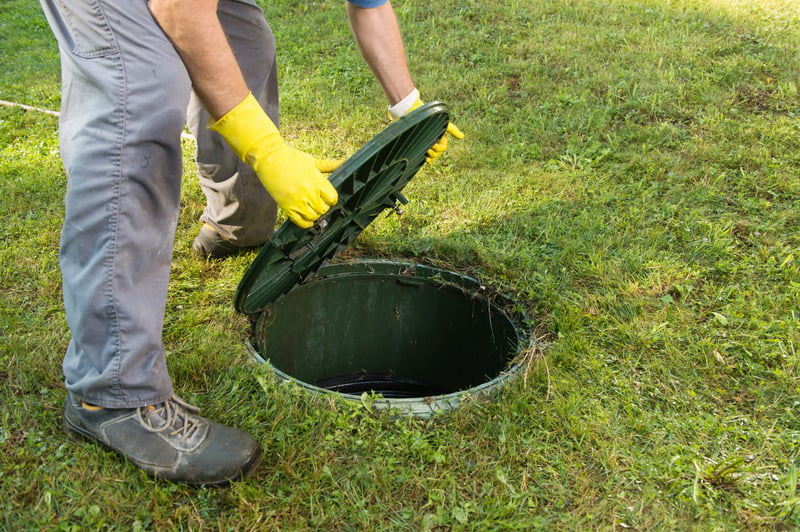
Regular septic tank pumping is essential to keeping your system functioning properly and avoiding expensive repairs. But how often should you pump your septic tank in Ohio? At SepTek, we specialize in septic system maintenance and can help you establish a septic tank pumping schedule that suits your home’s needs. In this blog, we’ll answer this question and guide you on the best septic tank maintenance practices for Ohio homeowners. Why Septic Tank Pumping Is Important Septic tanks naturally accumulate waste over time, and if the tank isn’t pumped regularly, the waste can build up and cause blockages, backups, and even system failure. Septic tank pumping helps remove solids, scum, and sludge that can clog the tank, preventing wastewater from flowing properly. Without regular septic tank pumping, you may experience plumbing issues, environmental hazards, and costly repairs. Septic Tank Pumping Schedule in Ohio The general recommendation for septic tank pumping is every 3 to 5 years, but the actual schedule depends on several factors. To determine how often to service your septic tank in Ohio, it’s important to consider things like household size, tank size, and wastewater usage. 1. Household Size and Usage The number of people in your home is one of the most important factors in determining how often you need to pump your septic tank. Larger households typically produce more waste, meaning the septic tank will fill up more quickly. If you have a large family or frequent guests, your septic tank may need to be pumped every 3 years instead of every 5 years. 2. Tank Size The size of your septic tank directly affects how often it needs to be pumped. A larger septic tank can hold more waste, so it may take longer for it to reach capacity. Smaller tanks, on the other hand, will fill up more quickly and therefore may need more frequent pumping. If you’re unsure of your tank’s size, a professional septic service provider like SepTek can help you determine the appropriate pumping schedule. 3. Water Usage If your household has high water usage, your septic tank will fill up more quickly. This can be due to a large family, frequent use of water-intensive appliances (like dishwashers and washing machines), or high water consumption from things like irrigation. The more water your system processes, the more frequently your tank may need pumping. If you use a lot of water on a daily basis, it’s essential to keep an eye on your septic system to avoid issues. 4. Type of Waste The type of waste you send into your septic system also impacts its capacity. For example, using a garbage disposal to send food waste into your septic tank can increase the rate at which solids accumulate. Grease, large food particles, and non-biodegradable items should never be sent down the drain as they can cause blockages and fill up the tank faster. 5. Regular Inspections While septic tanks need to be pumped every 3 to 5 years, having your system inspected regularly can help you determine whether pumping is necessary sooner. During a septic inspection, a professional technician will assess the sludge and scum levels in the tank. If these levels are high, it may be time to pump the tank even if it hasn’t reached the typical 3- to 5-year interval. Signs You May Need to Pump Your Septic Tank Sooner Even if you follow a septic tank pumping schedule in Ohio, there are signs you may need to pump your tank earlier than planned. Watch for these warning signs: Conclusion Regular septic tank pumping is crucial to maintaining the health of your septic system and avoiding costly repairs. In Ohio, the general rule is to pump your septic tank every 3 to 5 years, but the exact schedule will depend on factors like household size, tank size, and water usage. At SepTek, we recommend scheduling septic inspections to ensure that your system is functioning properly and avoid unexpected issues. If you’re unsure how often to pump your septic tank in Ohio or you suspect it may be time for a pumping, don’t hesitate to contact SepTek. Our team of experts will help you establish the right septic tank pumping schedule for your home and ensure that your system is in top condition. Reach out today to schedule your septic service!